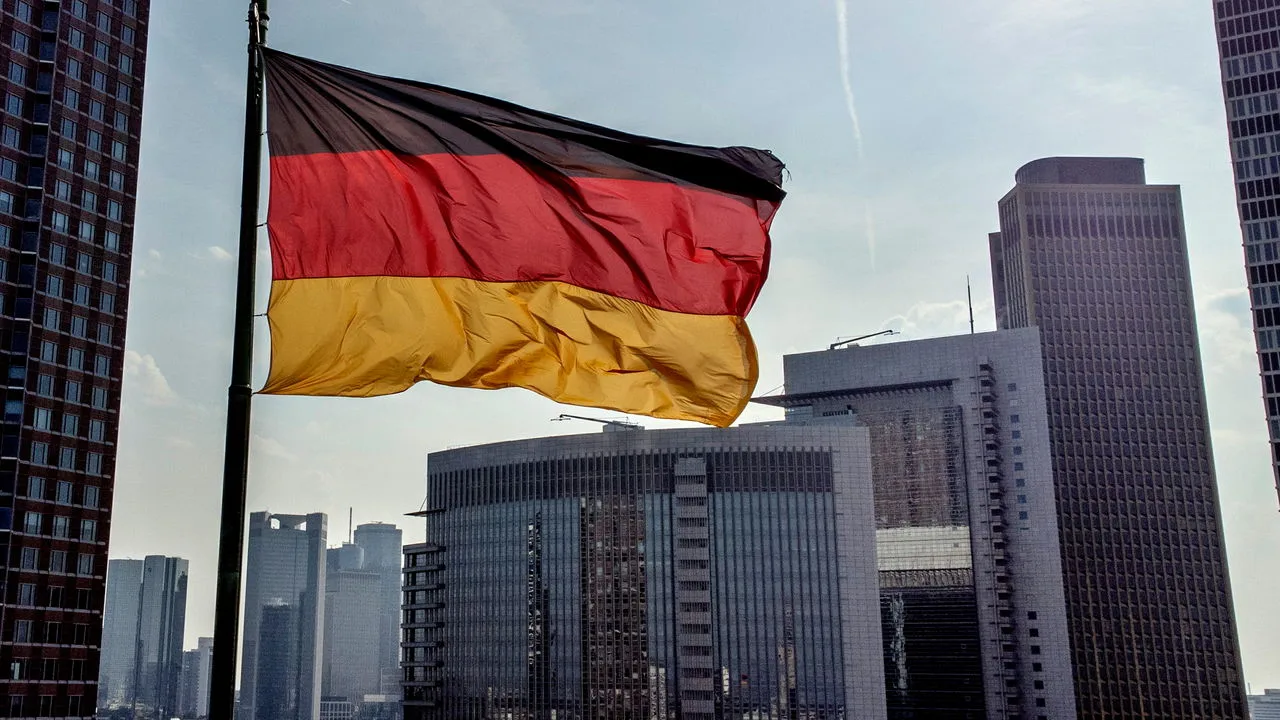
Based on several forecasts of the economy, Germany’s economic growth will slow down and be weaker in 2026. Since late 2022, the German economy has been in a prolonged economic slump, and it is still in a recession. By 2026, the German economy’s stronger growth return is becoming more and more doubtful as the Berlin investment spree under Chancellor Friedrich Merz is questioned.
In June 2025, Germany’s Bundesbank has revised its 2026 economic growth forecast downwards to 0.6% from 0.7%. Even though the German economy is facing a downturn, the Bundesbank is still optimistic about an expansion of the German economy by 1.3% in 2027 in view of the uptick in economic activity in Q2 2026.
The Russia–Ukraine war exposed the vulnerabilities of the German economy, particularly its overreliance on Russian gas, which hit the economy very hard.
In addition, Germany’s export-driven economy has been adversely affected by US tariffs and shifts in geopolitical relations with China, resulting in China competing with and overtaking German markets. This situation is further exacerbated by Germany’s rigid spending and borrowing rules, leading to underinvestment in infrastructure and digitalization.
In 2026, experts are also warning of a possible increase in debt due to government spending. Experts state that Germany’s public debt could rise to 85% of GDP by 2035, up from 63% this year.