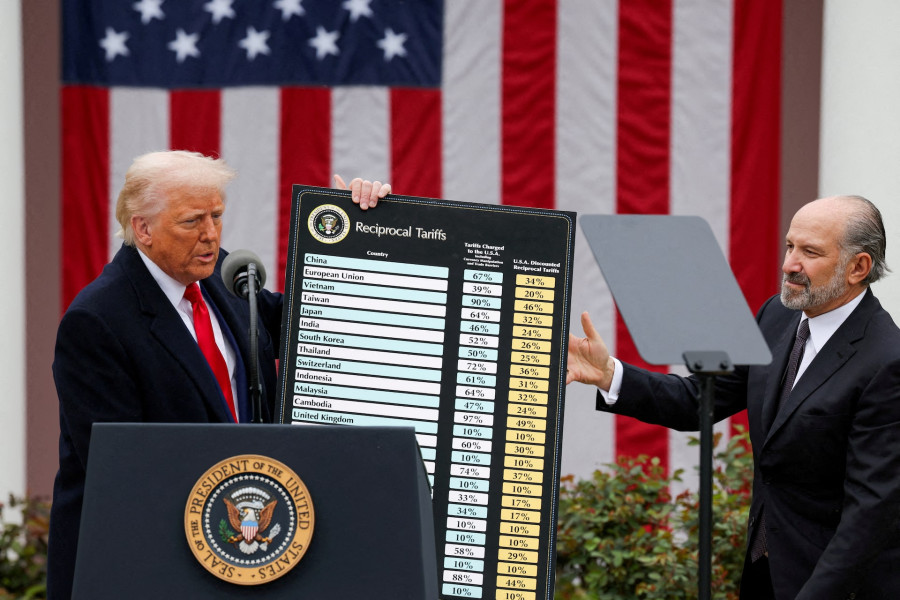
When Donald Trump imposed high import taxes on many countries based on an emergency law known as the International Emergency Economic Powers Act (IEEPA), many countries around the world came under panic. However, when this use of IEEPA was challenged in US courts by businesses and US states, the court ruled that trade deficits do not qualify as national emergencies. The court further stated that the president cannot use emergency powers so broadly.
Trump applied IEEPA by arguing that it would put pressure on other countries during trade negotiations, protect American industries from foreign competition, and generate revenue for the US government.
Despite the US court’s decision, the tariffs did not fully disappear. Instead, Trump turned to another legal route known as the Trade Act of 1974 (Section 122), which can be applied by declaring a balance-of-payments problem. This allowed the Trump administration to impose a temporary global tariff. It was initially set at 10 percent and later raised to 15 percent, and was made valid for a period of 150 days.
When the court ruled against Trump’s use of IEEPA, businesses and governments around the world sought repayment for the estimated $133 billion that Washington had already collected.
The financial markets reacted negatively not simply because of the tariffs, but due to the uncertainty surrounding them. The US dollar and European stock markets dropped after Donald Trump announced a 15% global tariff.