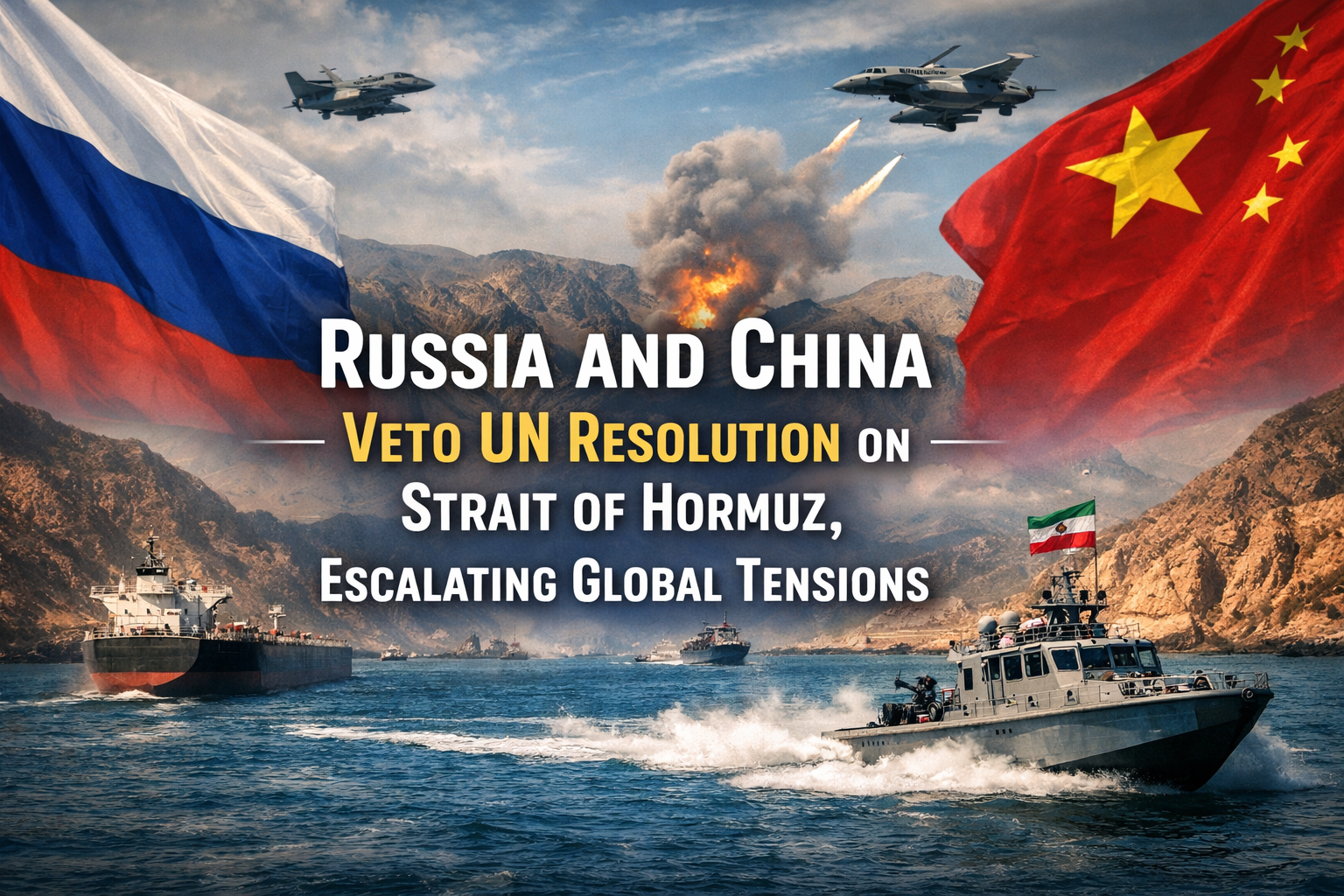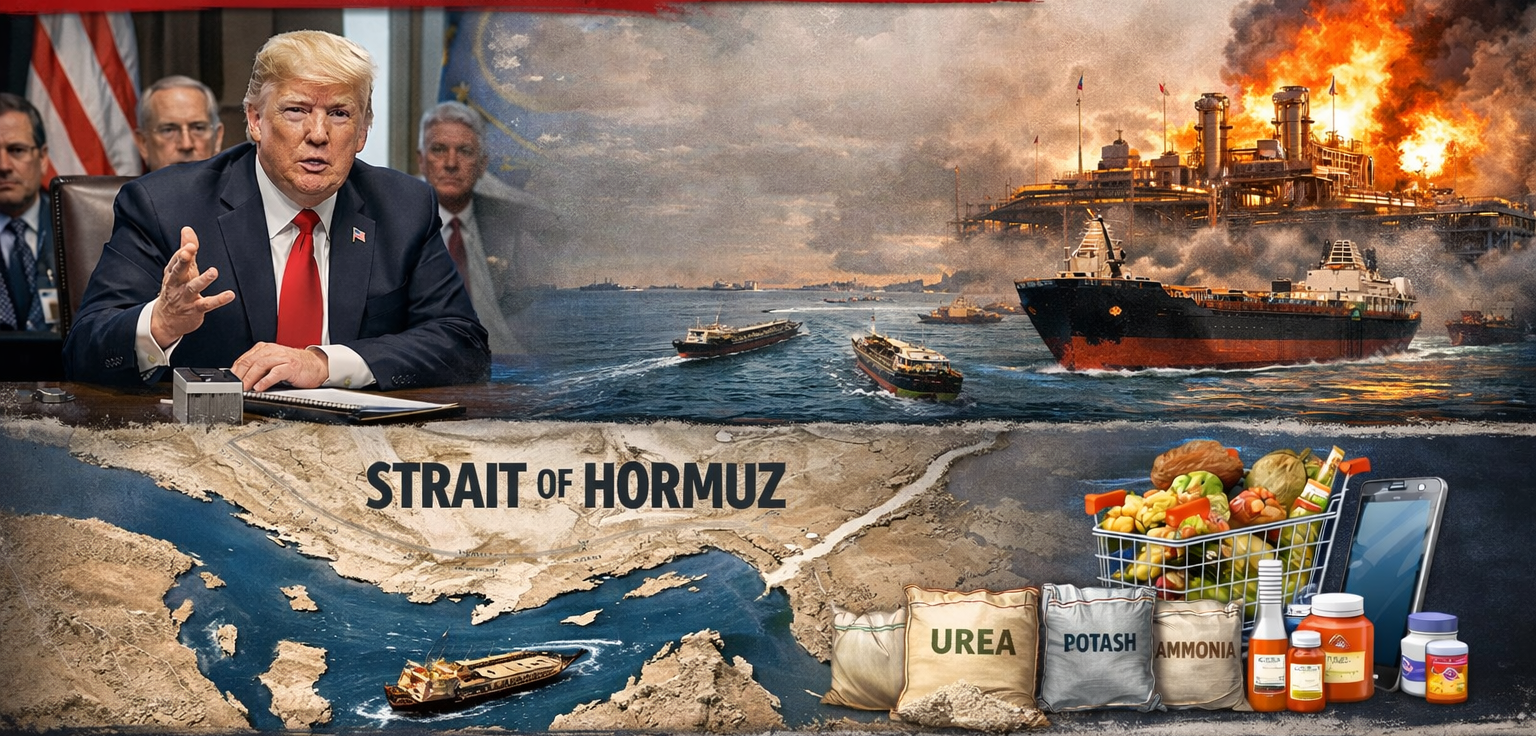
Tehran had earlier rejected a 15-point U.S. proposal to end the fighting, leading to another deadline set by U.S. President Trump to reopen the Strait of Hormuz or face the destruction of its energy plants. In the last four weeks, the Middle East oil industry has been hit by drones, and the global economy has been affected by soaring energy prices, raising fears of global inflation.
The U.S. has given Iran a deadline until April 6 to reopen the Strait. He shared this during a cabinet meeting at the White House.
BBC reported that numerous goods, ranging from food to smartphones to medicines, could be affected as the passage of ships through the Strait of Hormuz is disrupted. In recent days, ship traffic through the strait has dropped to a handful from over 100 vessels a day.
The UN stated that about one-third of the world’s fertilizers passes through the Strait of Hormuz. These fertilizers are urea, potash, ammonia, and phosphates. According to experts, these fertilizers are essential for agricultural production. The period from March to April is a key agricultural season in the Northern Hemisphere. Reduced fertilizer supply could lead to lower production later this year.
The Kiel Institute stated that a full closure of the Strait of Hormuz could push global wheat prices up by 4.2 percent and vegetable prices by 5.2 percent. This would affect countries such as Zambia (31%), Sri Lanka (15%), Taiwan (12%), and Pakistan (11%), where food prices are expected to rise.
Another by-product, helium gas used in the manufacturing of semiconductor wafers also comes from the Strait of Hormuz.