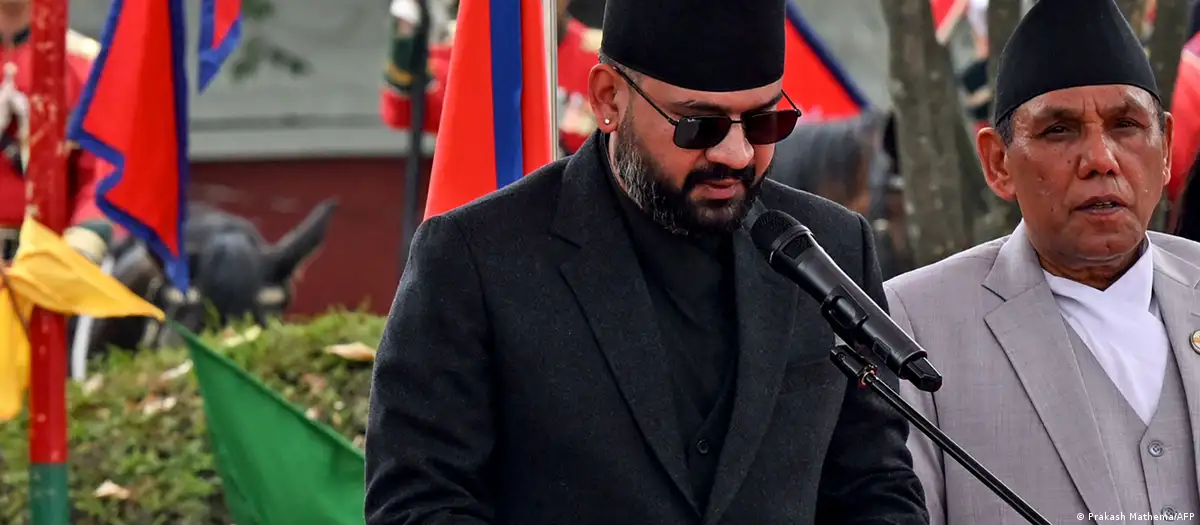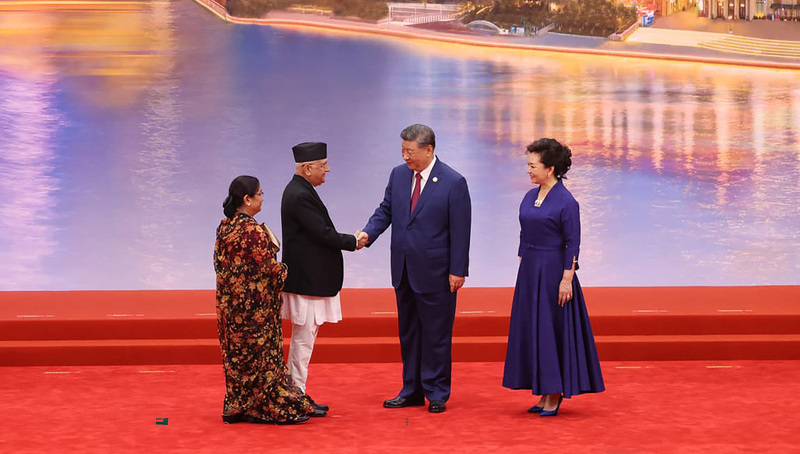
The Nepali side has reiterated that it raised the issue of Lipulekh with Chinese President Xi Jinping on the sidelines of the SCO. According to the MOFA statement, “The Prime Minister stated that the territory belongs to Nepal and the Government of Nepal has registered its strong objection on the same.”
As per several reports, Xi had said that Lipulekh has historically been a trade route, that China does not want to be a party to this dispute, and that Nepal should work bilaterally with India to solve the issue. However, the Chinese foreign ministry document does not mention Lipulekh at all; at the very least, it could have acknowledged the issue or presented Xi’s version. In this case, China played diplomatically to remain neutral, as it does not want to hamper its growing peaceful relations with India.
From one angle, Nepal has raised this issue with Xi, gaining political momentum for PM Oli. On the other hand, since it was a multilateral forum, issues related to multilateralism would have been more suitable. Ideally, it would have been raised bilaterally/trilaterally.
Numerous strategic matters that are directly advantageous to China and less significant to Nepal are addressed in the statement issued by the Chinese side. For example, Nepal’s steadfast support for the ‘One China Principle’ and its strong opposition to ‘Taiwan independence’, including Nepal’s support for Global Civilization Initiative, Global Security Initiative, and Global Development Initiative are all mentioned in the statement. Experts are concerned about this: should Nepal not also think about participating in other security initiatives like the Quad or the Indo-Pacific Strategy to balance its stance if it is aligning itself with China’s GSI?
PM Oli is visiting India in the second week of September, and India may argue that this issue should be discussed at either a bilateral or a trilateral platform, rather than raised in a multilateral forum such as the SCO. If India objects to Nepal’s moves at the SCO, then Nepal should be prepared to provide India with a satisfactory diplomatic response. This means we must carefully understand and evaluate the implications of every step we take. Nepal should not act hastily and then regret it later at leisure.
Although, as a Nepali, it is a moment of pride that PM Oli raised this issue with one of the world’s influential leaders, Xi, giving national pride and nationalist sentiment a boost. But diplomatically and strategically, President Xi presented himself cautiously on this matter and did not acknowledge it in the statement released by the Chinese foreign ministry. This raises the question of whether Nepal has actually succeeded in its diplomatic objective. In diplomacy, stunts will not work for small states; rather, achieving objectives through smart and calculated ways matters.
With India, Nepal is always engaged in a delicate tussle over safeguarding its national interest and sovereignty. PM Oli’s move in raising this with Xi may create a troubling time with India, as India may object and put Nepal under pressure in various other matters of bilateral importance. There have been reports that India has acted similarly on a time-to-time basis. For example, Nepal has faced difficulties in importing explosives from India, required for tunnel construction or hydropower projects, as well as delays in providing approvals for cross-border electricity transmission. The hard reality is that Nepal has limited strategic cards against India, while India has many more cards to play. For a sandwiched country like Nepal, every step must be calculated with potential risk.
It should also be noted that domestic politics and electoral adventurism should be kept separate from diplomacy and foreign relations.