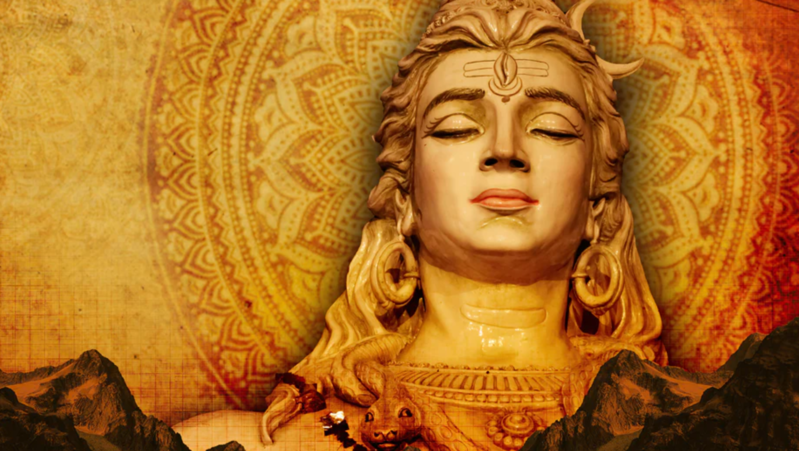
Shrawan (July-August) is a profoundly sacred month for Hindus, particularly in Nepal, dedicated to Lord Shiva, the divine destroyer and transformer. Its sanctity is rooted in the Puranic tale of Samudra Manthan, where Shiva consumed the Halahala poison to protect creation, earning the title Neelkanth.
This selfless act, believed to have occurred in Shrawan, makes the month ideal for worshipping Shiva through offerings of Gangajal, milk, and bel leaves, symbolizing purification and devotion. The Skanda Purana emphasizes Shrawan’s spiritual potency, noting that rituals performed during this month yield immense blessings.
Historically, Shrawan’s significance is tied to its alignment with the monsoon, symbolizing renewal. Fasting on Mondays (Somvar) and chanting the Mahamrityunjaya mantra amplify spiritual growth. In Nepal, Pashupatinath Temple in Kathmandu becomes a pilgrimage epicenter, where devotees perform Rudrabhishek to honor Shiva as Pashupati, the protector of all beings.
The Kanwar Yatra involves carrying holy Ganges water to Pashupatinath, believed to cleanse sins and grant moksha. Gosaikunda, a sacred alpine lake, holds equal importance. According to legend, Shiva created it with his trident to quench his thirst after consuming the poison. Pilgrims trek to Gosaikunda, bathing in its waters to seek Shiva’s grace and spiritual purification.
The Shiva Purana recounts another tale: during Shrawan, Goddess Parvati’s intense penance won Shiva’s heart, symbolizing devotion’s power. This inspires festivals like Teej, celebrated vibrantly in Shrawan, where women pray for marital bliss. Nag Panchami, honoring Shiva’s serpent adornments, further enhances the month’s sanctity. Devotees wear Rudraksha beads, believed to connect them to Shiva’s divine energy.
Visiting Pashupatinath and Gosaikunda during Shrawan is considered transformative, offering spiritual cleansing and divine proximity. These sites, steeped in mythology and history, draw thousands, fostering unity and devotion. Shrawan’s rituals, from temple visits to austere fasts, create a sacred atmosphere, making it a time for introspection, renewal, and deepening one’s bond with Lord Shiva’s infinite grace.