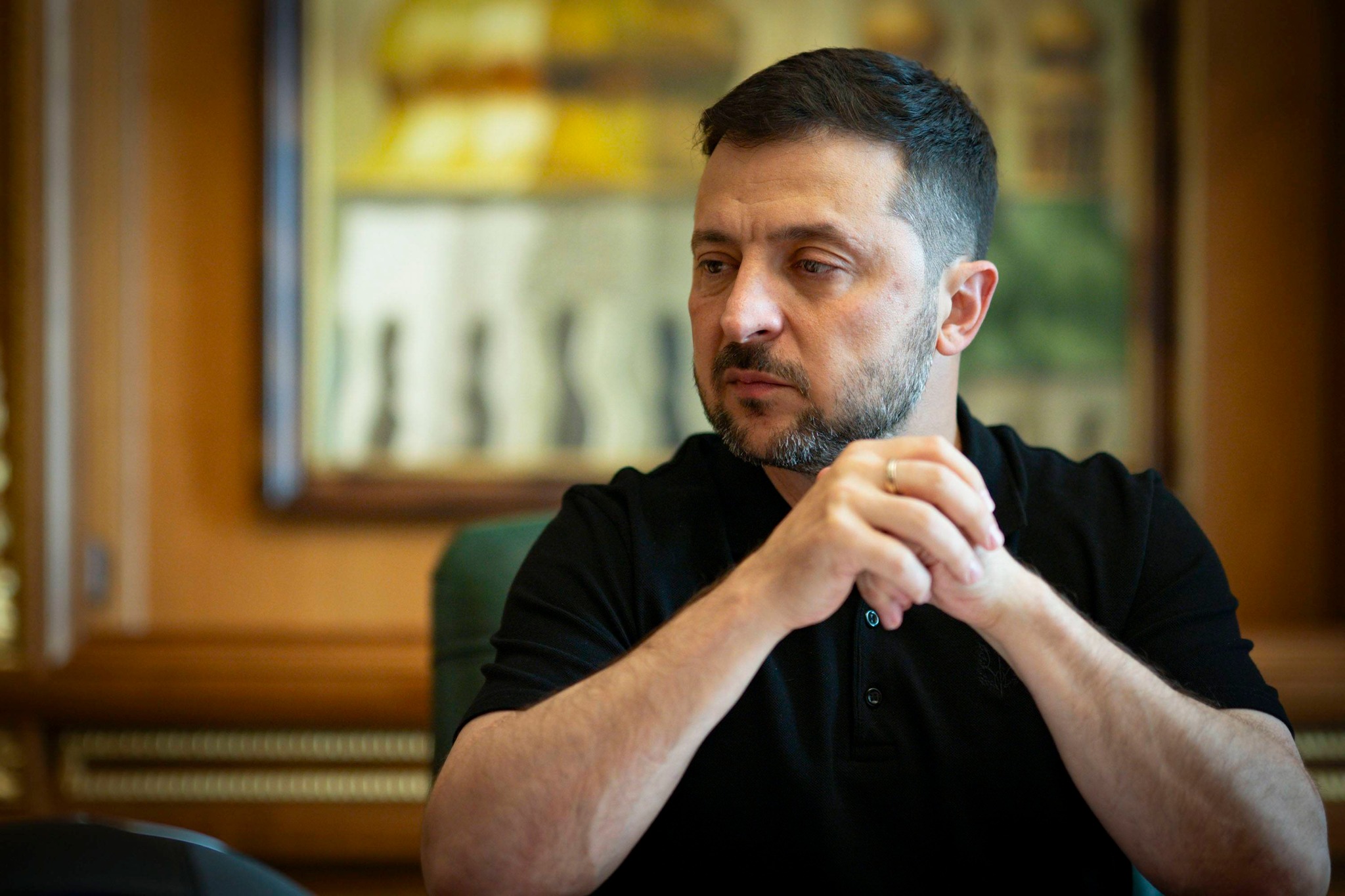
Trump invited Ukrainian President Volodymyr Zelenskyy to Washington following his meeting with Putin in Alaska. This meeting is proposed in order to promote the outcomes of the Alaska dialogue. In Washington, European Commission President Ursula von der Leyen, NATO Secretary General Mark Rutte, French President Emmanuel Macron, Italian Prime Minister Giorgia Meloni, German Chancellor Friedrich Merz, UK Prime Minister Keir Starmer, and Finnish President Alexander Stubb will accompany Mr. Zelenskyy. This gives President Zelenskyy the full backing of European leaders.
The key question is that Russia seems rigid about returning the land it has occupied, while Ukraine insists a deal will only be possible if the land is given back. President Trump is not in a position to further supply arms and ammunition to Ukraine, and Europe is fragile in providing support to Ukraine without the US. Also, there are clear voices inside the EU asking whether Russia will stop at Ukraine or advance further into other European countries. Following the Russia-Ukraine war, Sweden and Finland became members of NATO. In his multiple speeches, Russian President Putin has stated that Russia will no longer tolerate or accept NATO’s eastward expansion.
In the overall scenario, Russia is a defensive global power and Ukraine is stuck between the EU, Russia, and the US. It is the duty of President Zelenskyy to get his country out of this situation with rational thinking rather than relying on a populist agenda. The Russia-Ukraine war has put pressure on global crop production, including economic progress of Europe. For example, Germany, where the price of steel is rising due to the energy crisis. European energy diversification is still a long way off and will take time. This war has taught everyone a lesson in both pragmatism and the dogmatism of national interest.
Image Source: Володимир Зеленський