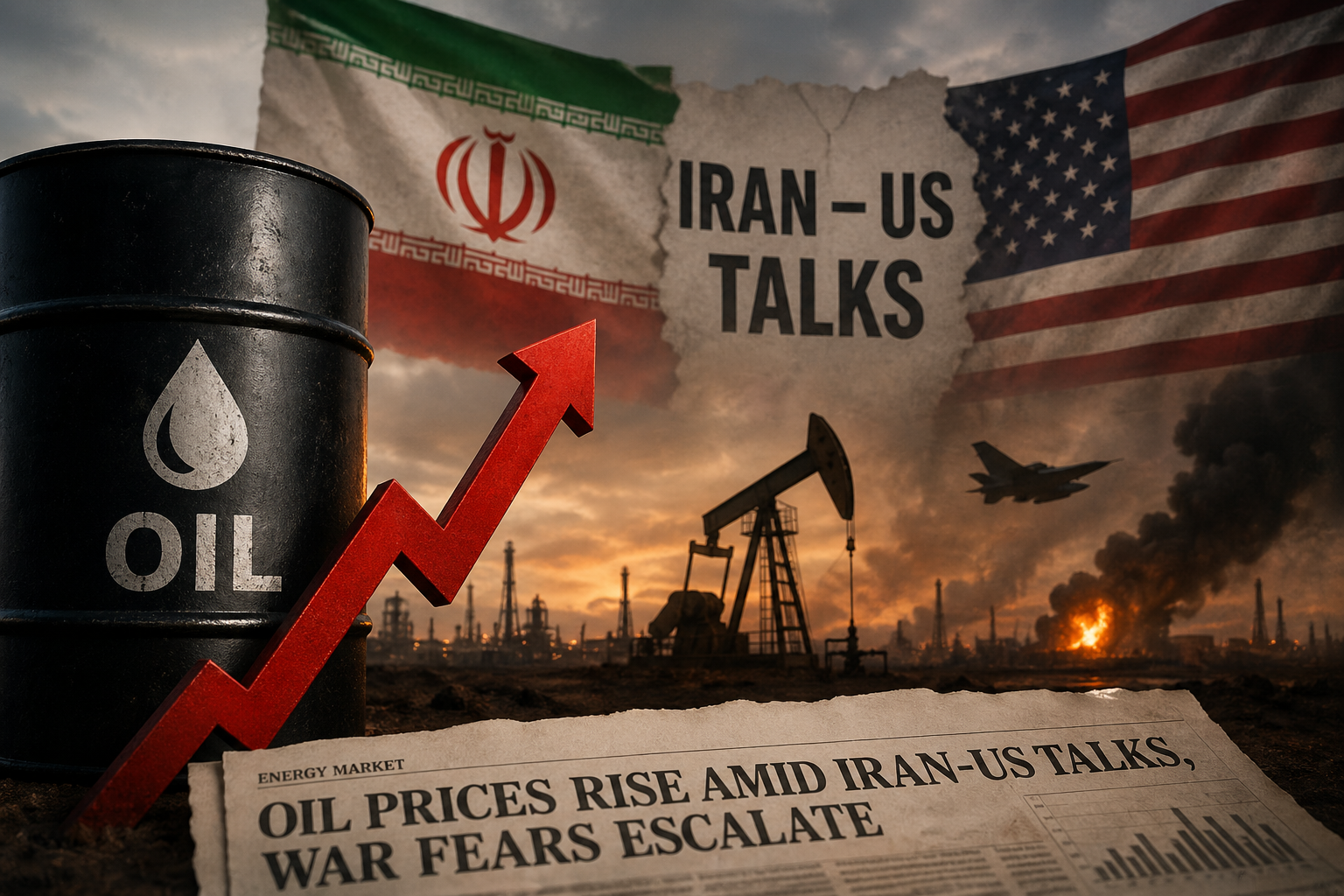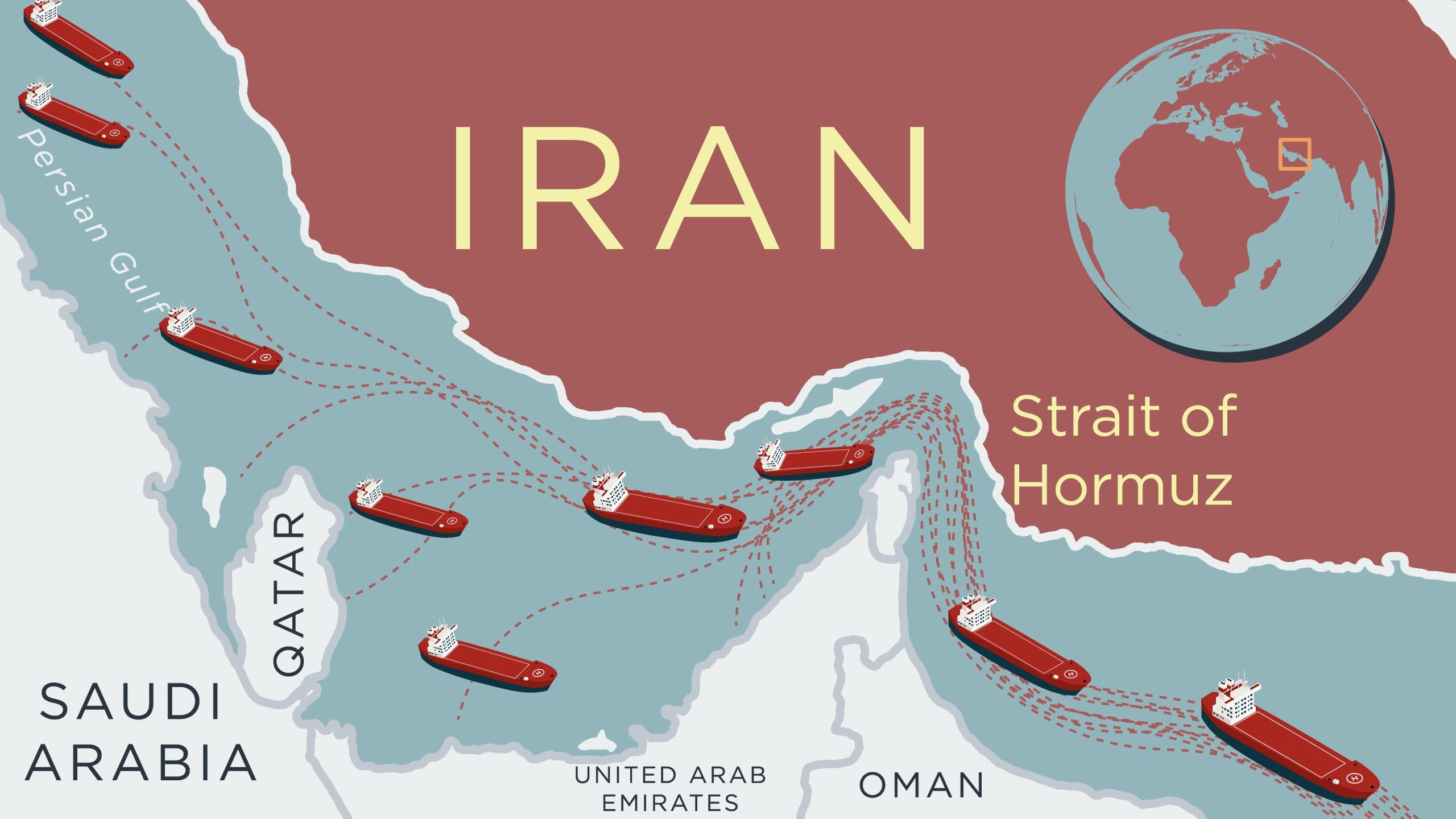
Global energy security is coming under renewed strain because of escalating conflict involving Iran and disruptions in the Strait of Hormuz. This has threatened one of the world’s most critical transit routes. At the center of this unfolding crisis are major oil trading firms which as an opaque yet highly influential sector that rarely discloses operational details. However, rare insights emerged during the FT Commodities Global Summit held in Lausanne from April 20-22.
Trafigura is one of the world’s largest commodities traders headquartered in Geneva, has been directly impacted by the crisis. CEO Richard Holtum revealed that the company currently has nine tankers stranded in the Persian Gulf. Among them, only one vessel successfully navigating through the Hormuz chokepoint.
In contrast, rival firm Mercuria has managed to withdraw all its vessels from the region. CEO Marco Dunand declined to elaborate on the methods or costs involved, stating only, “There are ways.”
Meanwhile, Vitol which is the world’s largest independent oil trader warned of broader structural damage. CEO Russell Hardy confirmed that key energy infrastructure across Gulf states has sustained significant impacts. The result is tightening supply and the Asia already experiencing price hikes and potential rationing. Western markets are expected to feel the effects with a delay.
Executives also highlighted a growing disconnect between benchmark oil prices such as Brent crude and West Texas Intermediate and the actual cost of physical oil. According to Holtum, benchmark prices largely reflect “paper oil” trading.
Market volatility through disruptiveness, is also creating lucrative opportunities for traders. Although Holtum declined to confirm whether Trafigura had significantly profited in recent weeks. He acknowledged overall satisfaction with the company’s performance amid the turmoil.