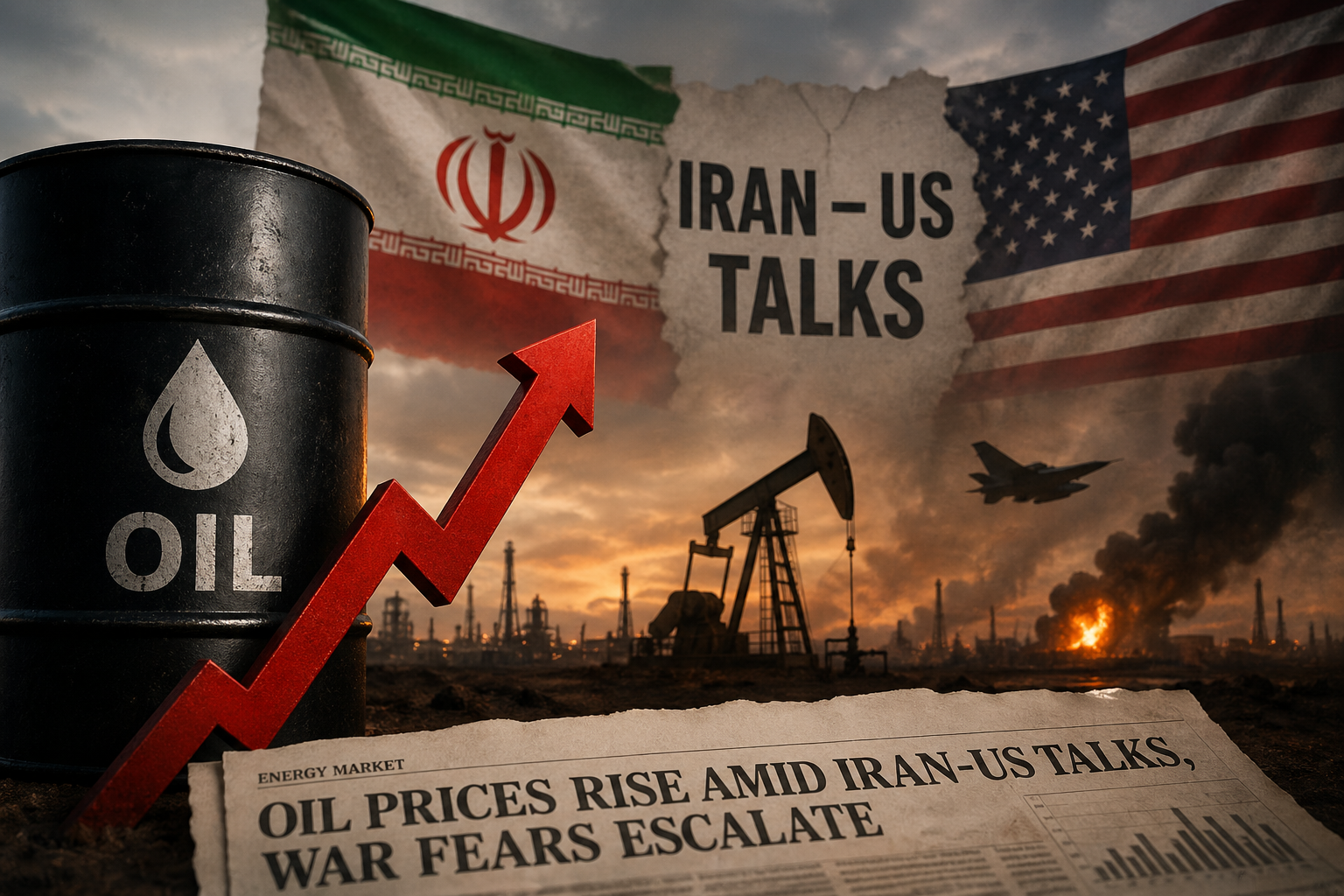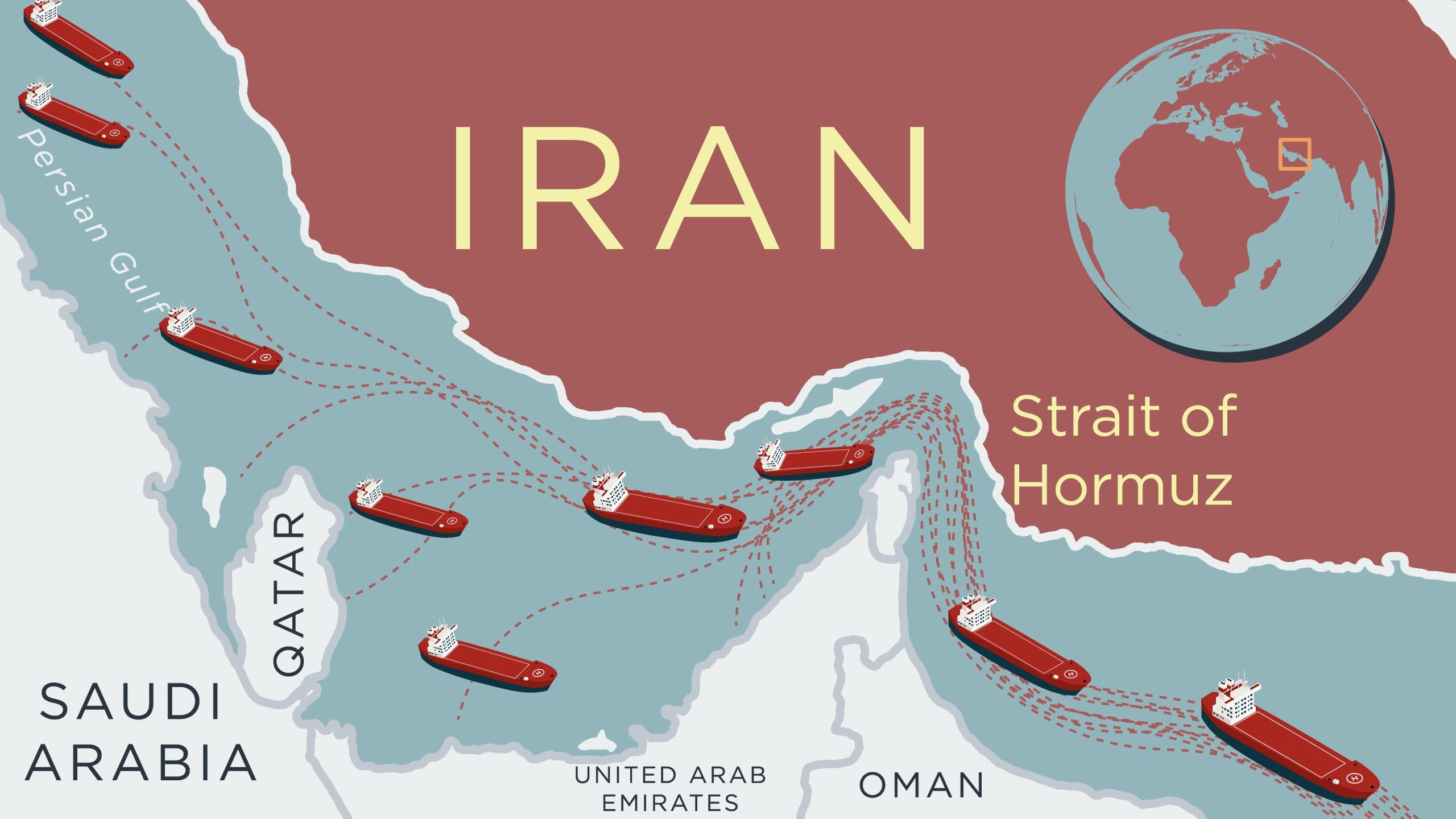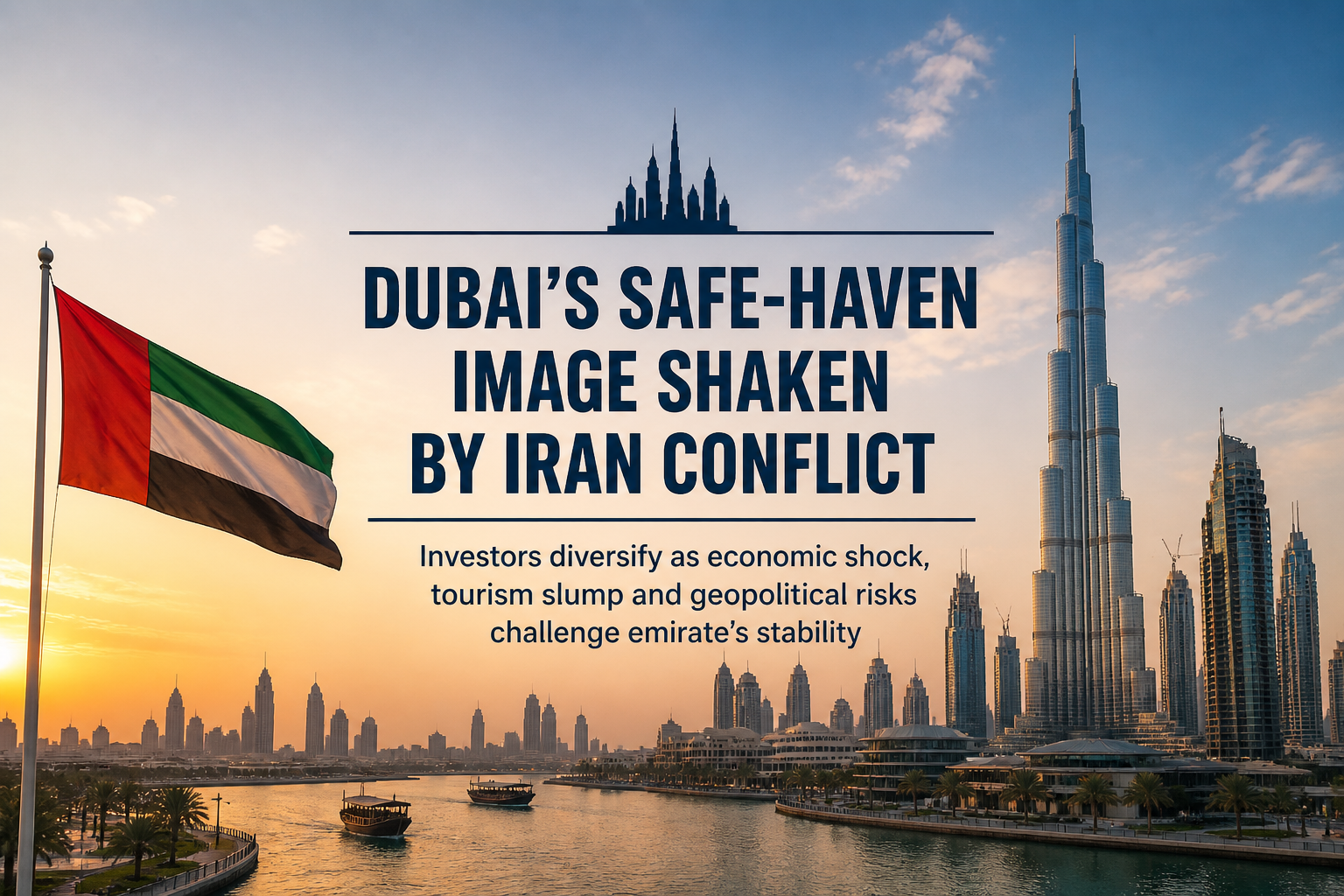
Dubai’s longstanding image as the Middle East’s major and most reliable financial infrastructure has been challenged because of the escalating tension with Iran. The conflict has resulted in considerable economic disturbances thus casting doubts in the minds of international investors about the emirate’s stability and viability as a secure place for money and business.
It took only a rumor of the Iranian missile and drone attacks on the Gulf for the stock market in Dubai and Abu Dhabi to lose $120 billion in value. Though there has been some healing in the market, the event has shown how easily economic confidence can be shaken.
Tourism as an important contributor to Dubai’s economy was hit hard too. Hotel availabilities reached one of the lowest levels in many years at 20%, whereas normally it is around 70-80%. The air traffic through Dubai International Airport fell by about two-thirds, and a drone strike near Fujairah is a reminder of the risk of escalation caused by instability in the region.
In this regard, ultra-rich people are changing their pattern of investment and are increasingly being attracted to financial centers like Singapore and Switzerland. Not planning to completely move out, many investors are using the “hybrid strategy, ” i.e. they continue to have their businesses in Dubai but hold their long-term wealth elsewhere.
The real estate industry has also felt the impact, with decreases in residential transaction levels and it is not unlikely that property prices may adjust downward by as much as 15% according to existing forecasts.
Nevertheless, the core economic conditions of Dubai are still healthy. The city still provides advantages such as low taxation, friendly business environment as well as large-scale projects directed by the ruler of Dubai.
According to experts, they believe that if the violent situation in the region come to an end; Dubai can very well restore its status as a prominent city for global business.